Picking the right OEM manufacturer for your custom hair tools is really important if you want to succeed in the beauty biz. Sarah Johnson, who’s in the know at HairTech Solutions, always says, “The right partner can really boost your brand and keep your quality on point.” When it comes to custom hair tools, it’s not just about the look — how they perform and make your customers happy really matters too.
There’s a big difference in quality from one manufacturer to another. It’s super important to look into what they can actually do. A lot of companies might claim they’re experts, but sometimes their consistency leaves a lot to be desired. Building a good relationship with your manufacturer can open doors to new ideas and innovation, but surprisingly, some folks skip that part and end up disappointed.
Taking the time to find someone reliable really pays off in the long run. Your manufacturer should get your vision — whether it’s for a custom hair clipper or other tools. The whole process requires patience and some serious thought. Rushing it can lead to costly mistakes, and let’s be honest — the market’s pretty competitive, so customers expect top-notch quality. Every choice you make impacts what people think of your brand, so it’s best to choose carefully and don’t rush things.
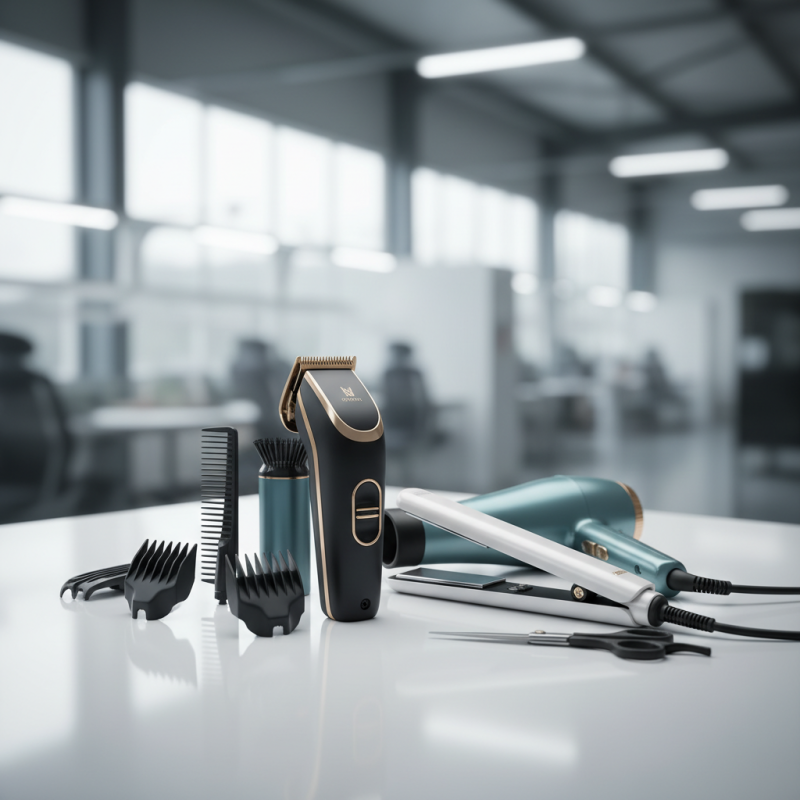
Understanding OEM custom hair tools manufacturing involves grasping the complexities behind the production of custom hair clippers. OEM, or Original Equipment Manufacturer, refers to companies that produce products based on specific requirements from other brands. In the hair care industry, demand for unique styling tools rises each year. According to a report from Grand View Research, the global hair care market size is projected to reach $102.5 billion by 2024. Custom hair clippers play a significant role in this growth.
Selecting an OEM manufacturer requires careful consideration. Many manufacturers may promise high quality, but not all deliver. Reports indicate that 45% of businesses face quality control issues with overseas manufacturers. This discrepancy highlights the importance of vetting potential partners thoroughly. Look for factories that allow for sample production. It’s essential to test the clippers before committing to large orders. Besides, a well-defined communication strategy is necessary to ensure that expectations align.
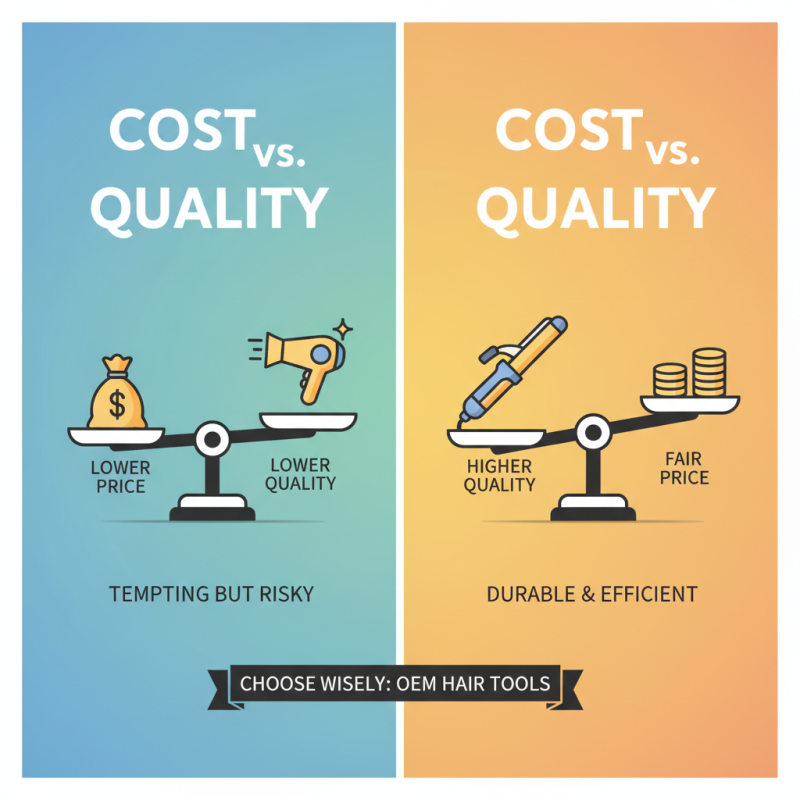
Lastly, pricing should not be the only deciding factor. Some manufacturers offer lower costs but compromise on material quality. According to a survey by IBISWorld, 30% of defective tools can lead to substantial losses for brands. It’s crucial to weigh costs against quality and reliability. Reflecting on these challenges helps businesses make informed decisions in a competitive market. Custom hair clippers should reflect the brand's commitment to quality, not just savings.
Choosing the right OEM custom hair tools manufacturer begins with understanding your specific needs. Consider what types of tools you require. Do you need styling tools like hairdryers or straighteners? Perhaps you want accessories like brushes or combs? Each tool has unique features and functions. Identifying these will help narrow down your search.
Another important aspect is the materials used in these tools. Quality materials can impact performance and durability. Are you prioritizing lightweight designs, or is heat resistance more critical? Think about the user experience. Reflect on common frustrations with current tools. What improvements do you wish to see?
Finally, don’t forget about production capabilities. Can manufacturers handle your desired order volume? Some might excel in customization, while others stick to standard offerings. Evaluating their past work can provide insight into quality. It’s tempting to aim for perfection, but it’s essential to balance desire with realistic expectations. Take your time to analyze your choices thoroughly.
Researching potential manufacturers for OEM custom hair tools is crucial. The hair tool market is projected to grow to $26 billion by 2026. Understanding market dynamics can lead to informed decisions when selecting manufacturers.
Start by identifying manufacturers with a solid reputation in the industry. Online reviews and ratings can be misleading. It's important to verify claims through third-party evaluations. Some manufacturers may appear stable but lack the necessary certifications. Ensure they comply with safety and quality standards.
Assess their production capacity and technology. A manufacturer with outdated equipment may delay orders, impacting your business. About 22% of companies face supply chain disruptions due to inadequate technology. Effective communication is essential. Sometimes, language barriers can hinder collaboration. Regular updates from manufacturers can lead to better quality assurance. Ultimately, a thorough investigation pays off in the long run.
When choosing an OEM custom hair tools manufacturer, evaluating their credentials is crucial. Look for certifications such as ISO 9001. This indicates a commitment to quality management. Many manufacturers lack this. You may wonder about their experience. Manufacturers with over a decade in the industry often deliver better results. Their knowledge can save you time and money.
Data shows that 70% of successful partnerships stem from clear communication and trust. A manufacturer with a solid reputation typically has positive customer reviews. Don't overlook the importance of portfolio reviews. A manufacturer that showcases diverse products, like Custom Logo Hair Trimmer, has flexibility. This can lead to innovative solutions tailored to your brand's needs.
Consider the technology they use. Advanced tools and machinery often lead to superior product quality. Yet, it's essential to ask questions. Not every manufacturer adopts the latest technologies. Some may still rely on outdated methods. Reflect on what matters most for your brand. Balancing cost and quality is a constant challenge. Prioritize manufacturers who are open about their manufacturing processes.
Choosing the right OEM custom hair tools manufacturer requires careful consideration of quality control practices. Quality control directly impacts product performance and customer satisfaction. According to a recent industry report, 70% of customers prioritize quality over price when selecting hair tools. Thus, understanding a manufacturer's quality control systems is essential for success.
When evaluating quality control, examine certifications and testing methods. A reputable manufacturer often employs rigorous testing processes, such as stability tests and performance evaluations. Look for clear documentation of these practices. This transparency reflects a commitment to delivering reliable Tools Hair. Regular inspections and feedback loops within the production process can improve quality further.
Tip: Always ask for samples before committing. Testing a few tools can reveal a lot about their manufacturing quality.
Additionally, ensure the manufacturer implements continuous improvement strategies. Many businesses overlook this aspect. A manufacturer should be proactive in addressing defects and refining their processes. Ask how they handle complaints and improve their products.
Tip: Build a relationship with your manufacturer. Open communication can lead to better quality control and innovation in the Tools Hair you receive.
| Evaluation Criteria | Description | Rating (1-5) |
|---|---|---|
| Manufacturing Equipment | Assess the level of technology and machinery used for production. | 4 |
| Quality Assurance Protocols | Evaluate the processes in place to maintain product quality. | 5 |
| Certification and Compliance | Check for industry certifications and adherence to regulations. | 3 |
| Testing Procedures | Review the testing methods used for finished products. | 4 |
| Customer Feedback | Consider the experiences shared by previous clients. | 5 |
| Production Capacity | Determine the volume of production the manufacturer can handle. | 4 |
| Lead Times | Assess the timelines for production and shipping. | 3 |
Choosing the right OEM custom Hair Tools manufacturer can be challenging. Pricing is often a major factor. Manufacturers offer a wide range of prices. Lower prices may seem tempting, but they can indicate lower quality. Always balance cost with the quality of hair tools. A cheap tool may not last long, leading to more spending later.
Minimum order quantities (MOQs) are another vital consideration. Some manufacturers have high MOQs, which might not suit all businesses. Evaluate your sales volume realistically. Orders that are too large can lead to excess stock. You may end up with hair tools that don’t sell. Flexibility in order quantities can provide relief.
Reflecting on your needs is key. Identify the specific hair tools that align with your target market. Don’t settle for standard offerings. Customization can enhance your brand's uniqueness. It’s important to engage in thorough communication with potential manufacturers. Ask questions about their pricing structure and MOQ. This insight will inform your decision-making process.
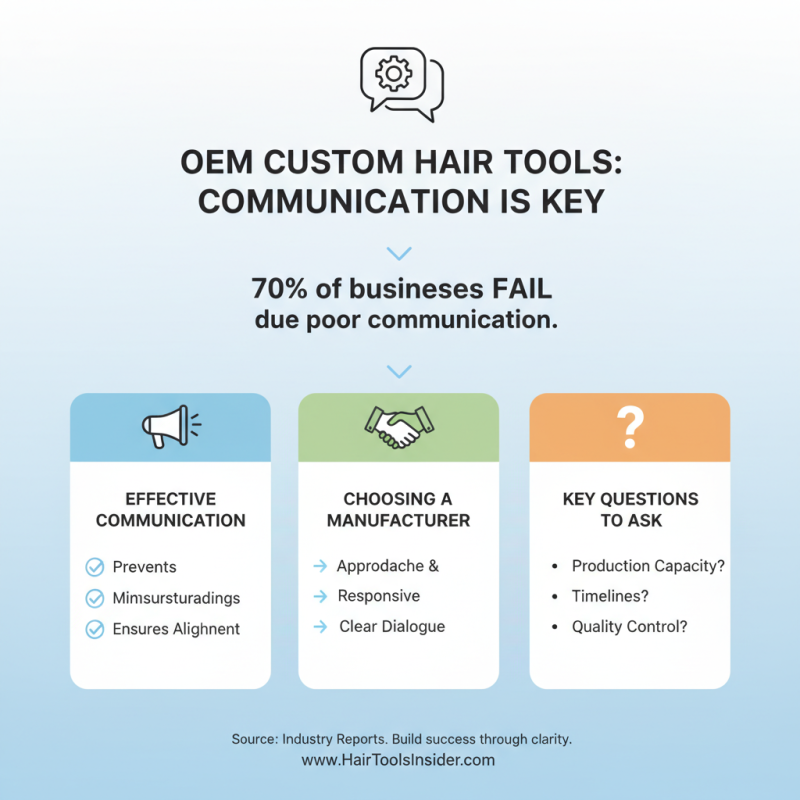
Establishing effective communication and support channels is crucial when selecting an OEM custom hair tools manufacturer. Industry reports indicate that 70% of businesses fail due to poor communication. Clear dialogue prevents misunderstandings and ensures both parties are aligned. A manufacturer should be approachable and responsive. Initial discussions should cover key concerns. Ask about their production capacity, timelines, and quality control measures.
Tips: Utilize video conferencing tools. This can enhance trust through face-to-face interactions. Ensure there’s a point of contact available at all times. Review their support infrastructure. A responsive support team makes an immense difference during production.
Transparency is key. Discuss potential pitfalls openly. Many manufacturers may promise unrealistic timelines. It’s essential to ask for references. A reliable manufacturer should have a track record of successful collaboration. Reports show that 60% of delays stem from miscommunication. By fostering open communication, you can mitigate these risks effectively. Don’t shy away from probing deeper into their processes. This reflection can bring to light any hidden challenges.
The emergence of cordless technology has significantly transformed the landscape of beauty tools, especially within the realm of curly hair styling. This innovation allows for unprecedented freedom and convenience, enabling individuals to embrace their natural curls without being tethered to a power source. With the introduction of devices designed specifically for curly hair, users can achieve professional-quality results at home or on the go. This trend is particularly beneficial for those who possess thick or textured hair that often requires more time and effort to style.
Among the most notable developments in this area is the rise of portable hair curlers, which offer a sleek and user-friendly design. These devices are not only compact and lightweight but also equipped with advanced heating technology that ensures even heat distribution for consistent curls. The heightened portability means that users can easily toss them in their bags, making it possible to refresh their styles wherever they are—be it at work, on vacation, or during a night out. This convenience has made styling curls more accessible than ever, eliminating the need for a traditional styling routine that often involves multiple tools and cords.
Moreover, the impact of cordless styling tools extends beyond functionality; it champions a shift towards embracing diverse hair textures. By providing curly-haired individuals with the means to achieve effortless styling, these advancements encourage self-expression and confidence. As more beauty enthusiasts recognize the advantages of investing in cordless technology, the trend of vibrant, styled curls continues to rise, shaping the future of hair care in a vibrant and inclusive manner.
: This product aims to enhance daily efficiency and improve user experience.
Follow the instructions carefully for best results. It’s straightforward but requires attention.
Yes, returns are accepted within a specific timeframe. Check the return policy for details.
While generally safe, individual reactions may vary. Monitor your experience for any unusual effects.
A limited warranty is offered, but it depends on the specific conditions. Review them carefully.
Customer support can be reached via email or phone. Prompt responses are common, though delays may occur.
Compatibility varies. Ensure to research interactions before combining with other products.
Try adjustments or different methods first. If unsuccessful, seeking additional help may be necessary.
Store in a cool, dry place. Extreme conditions can affect its performance.
Feedback can be submitted through forms or direct contact. Your insights are valued for improvements.
Choosing the right OEM custom hair tools manufacturer is crucial for businesses looking to create high-quality beauty products. The process begins with a clear understanding of your specific hair tool needs, which will guide your research into potential manufacturers that specialize in custom hair tools. Evaluating manufacturers involves examining their credentials and experience in the industry, ensuring they have a track record of producing reliable and innovative products.
Quality control practices should be assessed to guarantee that the custom hair tools meet your standards and expectations. Additionally, comparing pricing and minimum order quantities is essential for budgeting and production planning. Establishing effective communication and support channels with the manufacturer is vital for a smooth partnership, which will help address any concerns and foster a collaborative environment for your custom hair tools project.