Leave Your Message
0%

Picking the right Electric Hair Dryer can really make a difference in how smooth and efficient your salon runs day to day. In a busy place, that dryer’s probably on for hours on end, dealing with thick, wet hair from multiple clients. What feels warm and comfy to one person might actually be a bit too hot for someone else. Things like airflow, temperature controls, weight, cord length, and noise level all deserve some serious thought.

At BrightLine Salon, we’ve gone beyond just quick demos — we actually tested professional dryers during full appointment days. We paid attention to how fast each model dried thick hair, how comfortable the handle was after hours of use, and whether cleaning the filter was a hassle. A solid dryer should give you consistent airflow, separate settings for heat, and a cool-shot button that works smoothly without lag. Sure, manufacturer specs tell part of the story, but they don’t reveal everything. Real-world use shows you if switches feel flimsy, the weight is awkward, or if it vibrates like crazy.

Price is definitely a factor — but going super cheap can come with hidden costs. A fragile motor might break down sooner, and a heavy unit can leave your wrist aching. We also suggest checking out the warranty, support services, energy efficiency, and safety features before making a purchase. Don’t just fall for flashy marketing pitches; they can sometimes be misleading.

In the end, the best choice really depends on your team, clients, the size of your space, and how many services you offer each day. A small, lightweight dryer might be perfect for a cozy boutique, while a high-airflow model makes more sense in a bigger salon. There’s no one-size-fits-all here. Doing your homework, getting honest feedback from staff, and maintaining your equipment regularly will help you pick the most reliable dryer for your needs.
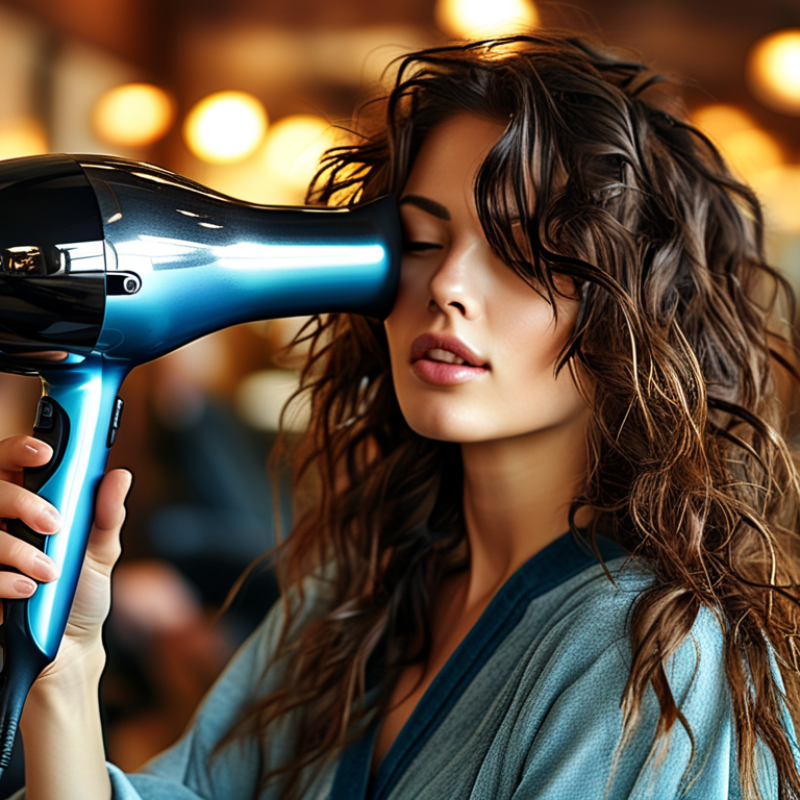
How to Choose the Best Electric Hair Dryer for Your Business

Define Salon Workload and Match Dryer Capacity to Daily Demand

Choosing an electric hair dryer starts with your salon’s workload, not its appearance. Track appointments for a typical week, including busy Fridays and quieter mornings. A small studio may handle eight blowouts daily, while a larger salon may complete forty. Each service can take 15 to 30 minutes. Multiply that time by your stations and staff. This shows the heat and operating time your team actually needs. Capacity matters more than impressive wattage. A powerful dryer can still disappoint when several stylists share limited outlets.

Tips Keep a simple workload log for two weeks. Record service length, dryer use, heat settings, and cool-down pauses. Choose a model designed for your busiest day, not your average day. Check airflow strength, motor durability, cord length, filter access, and weight. If your salon also uses an Electric Hair Razor, leave enough counter space for safe tool changes.

A dryer for constant use should maintain stable airflow without becoming painfully hot. Ask whether the handle stays comfortable after several clients. Small details become serious during a ten-hour shift. I would also test noise levels in the salon, because loud motors can make consultations tiring. Some specifications look excellent on paper but feel different beside a client’s head. That is where selection becomes less perfect. Staff feedback may challenge your first choice, and that feedback deserves attention. Safety features, cleaning instructions, and repair support also indicate dependable professional equipment.

Compare 1,300–2,000 W Power Ratings with Required Airflow

How to Choose the Best Electric Hair Dryer for Your Business

A 1,300–2,000 W hair dryer can suit different business needs. However, wattage alone does not show drying performance. Wattage measures electrical input, while airflow measures how much air reaches the client’s hair. Check the manufacturer’s airflow rating in cubic metres per minute or cubic feet per minute. Higher airflow usually dries thick, wet hair faster, but excessive force may disturb fine styling.

In a busy salon, I would compare airflow before choosing the highest wattage model. A 1,600 W dryer with strong, stable airflow may outperform a 2,000 W dryer with a weak fan. For short appointments, target efficient airflow and consistent heat. For dense or textured hair, look for stronger airflow with adjustable temperature controls. Test the dryer at arm’s length. Notice whether the air feels focused, noisy, or uneven.

Electrical capacity also matters. Several 2,000 W dryers operating together can overload a small circuit. That detail is easy to miss. I once focused too heavily on drying speed and underestimated hand fatigue during long shifts. A lighter 1,500 W model became more practical, even though it worked slightly slower. Measure real drying time with your usual towels, attachments, and hair types. Then compare airflow, heat stability, weight, noise, and power use together. A product sheet helps, but hands-on testing reveals weaknesses that specifications may hide.

Evaluate Heat Control, Airflow Speed, and Ionic Technology

In a busy salon, a hair dryer must perform consistently from morning until closing. Heat control deserves close attention because excessive heat can leave hair dry, brittle, or uncomfortable for clients. Choose a model with several temperature settings and a separate cool-shot button. During trial shifts, test each setting on fine, thick, and chemically treated hair. The lowest setting may work better than expected.

Airflow speed affects both drying time and styling control. High airflow can remove moisture quickly from dense hair, but it may disturb carefully shaped sections. A moderate speed often gives better control around bangs, layers, and round brushes. Check whether the speed remains stable after several minutes. Some dryers feel powerful at first, then weaken as they warm up. That detail is easy to miss.

Ionic technology may help reduce static and smooth the hair surface. It can be useful in dry environments or during winter services. However, it should not replace proper heat management or skilled technique. Results can vary with hair texture, moisture level, and styling products. Ask staff to record drying times and client feedback during a one-week test. My own evaluations sometimes focus too much on speed, which is a mistake. Comfort, noise, grip, and maintenance also influence daily performance. A reliable business tool should support careful work, not force every stylist into the same routine.

Verify IEC 60335-2-23, UL 859, and CE Safety Compliance

Choosing an electric hair dryer for business use requires more than comparing airflow, heat settings, and price. Safety documentation should match the exact model, voltage, plug configuration, and included attachments. A report for an older version may not support the product you plan to purchase.

IEC 60335-2-23 addresses safety requirements for household and similar electrical skin and hair care appliances. Ask for a current test report from a competent laboratory. Check protection against overheating, abnormal operation, insulation failure, and accessible hot surfaces. UL 859 is relevant to household electric personal grooming appliances in North America. Confirm that the certification covers the complete dryer, not only its power supply. Small details matter.

CE marking is different. It is not a single laboratory certificate. It indicates that the manufacturer declares conformity with applicable European Union requirements. Request the EU Declaration of Conformity, technical documentation, and test evidence supporting the declared standards. A clear label helps, but labels alone prove little. Paperwork can look convincing.

For salons, hotels, or training facilities, inspect thermal cut-off performance, cable strain relief, filter access, and repeated-use durability. Compare these findings with the supplier’s maintenance guidance. If your business also buys an Electric Hair Shaver, verify its safety standards separately; one product’s compliance does not automatically cover another. I would also record serial numbers and inspection dates. This step feels tedious, but missing records can weaken an otherwise careful purchasing decision.

Prioritize Ergonomics and Keep Workplace Noise Below OSHA’s 90 dBA Limit

Choosing an electric hair dryer for business use starts with the worker, not the wattage. A lighter body can reduce wrist strain during repeated appointments. Look for a balanced handle, soft grip, reachable controls, and a cord that does not pull the arm sideways. I have found that awkward buttons become frustrating after a full shift. Small discomfort matters.

Noise deserves careful attention. OSHA’s 90 dBA limit applies to an eight-hour time-weighted exposure, not simply a single reading. Measure the dryer near the stylist’s ear while it operates at full power. A basic sound-level meter can reveal surprising peaks. Keep readings comfortably below 90 dBA, especially in small rooms with hard floors and mirrors. Lower noise also makes client communication easier. That helps.

Do not judge quietness from a product description alone. Test several units in the actual salon, with ventilation and music running. Compare airflow, heat stability, vibration, and control placement. A dryer that feels calm in a showroom may sound harsh beside tiled walls. Consider a quieter Electric Hair Cutter and other powered tools when planning total workplace exposure. Ask staff to use hearing protection when assessments indicate a need, and review the setup periodically. My own early mistake was measuring one tool, then ignoring the combined noise of several stations. Ergonomics and noise control require observation, not assumptions.

Calculate Energy Costs Using 1.8 kW × Operating Hours × Electricity Rates

Choosing the best electric hair dryer for a business starts with operating cost, not only airflow or heat. A 1.8 kW dryer uses 1.8 kilowatt-hours for every operating hour. Use this formula: 1.8 kW × operating hours × electricity rate. For example, six hours daily over 26 working days equals 280.8 kWh monthly. At 13 cents per kWh, the estimated cost is $36.50 per dryer. The U.S. Energy Information Administration reported an average commercial electricity price of roughly 13 cents per kWh in 2023, but local tariffs can differ sharply.

Measure real usage. A salon may run a dryer for 15 minutes per client, not continuously. Record one busy week, including warm-up time and idle periods. Then compare models using the same workload. A 1.8 kW unit running four hours daily costs about $24.34 monthly at that rate. Ten units would cost approximately $243.36. Small differences become visible.

Heat settings matter. So does maintenance. Blocked filters can extend drying time and increase practical energy use. The same calculation can guide purchases for a Hair Clipper Electric workstation, although its wattage must be measured separately. The International Energy Agency’s Energy Efficiency 2023 report stresses that efficiency gains often come from operational control, not equipment replacement alone. My first estimate was too neat. Real staff habits changed it. Check invoices, meter readings, and actual duty cycles before approving a large order.

Assess Motor Durability, Warranty Coverage, and Supplier Service Support

How to Choose the Best Electric Hair Dryer for Your Business

A commercial hair dryer may run dozens of times each day, so motor durability deserves close attention. Ask about the motor’s expected service life, operating temperature, and protection against overheating. A strong airflow is useful, but consistent performance matters more than impressive specifications. In a busy salon, listen for unusual vibration or rising noise during a three-minute test. These details can reveal mechanical stress early.

Warranty coverage should match your actual working conditions. Check whether the warranty includes the motor, heating element, switches, and power cord. Confirm its duration, repair process, shipping responsibility, and exclusions. A short warranty may indicate limited supplier confidence. However, a long warranty is not automatically reliable. Read the conditions carefully. Some claims require detailed maintenance records, which staff may forget to keep.

Supplier service support can protect your operation when equipment fails unexpectedly. Ask how quickly technical questions receive answers and whether replacement parts remain available. Request written procedures for repairs, returns, and safety inspections. A supplier should provide clear manuals and practical troubleshooting guidance. Response speed matters during peak booking periods. Still, communication promises should be tested before purchase. Send a specific question and measure the reply quality. No evaluation is perfect. I would also review previous service cases, because polished sales language can hide slow after-sales support.

KooFex Cordless Hair Cutter: Safe, Powerful Grooming for Sensitive Areas

Sensitive-area grooming requires more than cutting power; it demands control, comfort, and careful skin protection. The cordless hair cutter described here is designed to support safe, efficient trimming around delicate areas, combining a compact shape with steady performance and convenient cordless handling. A guarded cutting system can help reduce direct skin contact, while a sharp, low-pull blade supports smoother passes with fewer repeated strokes. This balance is especially valuable for users who experience irritation, tugging, or discomfort during personal grooming.

The World Health Organization estimates that skin conditions affect nearly 1.8 billion people worldwide at any given time, highlighting the importance of gentle grooming practices. For sensitive areas, users should begin with clean, dry skin, move the cutter slowly, and avoid pressing the device firmly against the body. The Global Wellness Institute reported that the worldwide wellness economy reached approximately $6.3 trillion in 2023, reflecting growing interest in practical self-care tools that fit easily into everyday routines. A rechargeable cordless design adds flexibility for home use and travel, while washable components and simple maintenance can support better hygiene between sessions. Lower noise and controlled vibration may also make grooming feel less stressful for first-time users or those with heightened skin sensitivity.

FAQS

: Which safety documents should a business request?

: Request current reports for IEC 60335-2-23 and UL 859, when applicable. Confirm they match the exact model, voltage, plug, and attachments. For CE-marked products, request the EU Declaration of Conformity and supporting test evidence.

Does a safety report for one model cover another model?

Not automatically. Check the model number, revision, voltage, and included accessories. An older report may not support the product you plan to purchase.

What safety features deserve inspection?

Check overheating protection, abnormal-operation testing, insulation safety, and accessible hot surfaces. Inspect thermal cut-offs, cable strain relief, filter access, and repeated-use durability. Small details matter.

How can a business evaluate workplace noise?

Measure sound near the stylist’s ear at full power. Use an actual salon, not only a quiet showroom. Keep eight-hour exposure comfortably below 90 dBA. Hard floors and mirrors may increase perceived noise.

What ergonomic details should staff test?

Test the dryer’s weight, handle balance, grip, controls, cord movement, vibration, and heat stability. Reachable buttons reduce awkward wrist movements during long shifts. Ask several workers to use the unit.

How can motor durability be assessed?

Ask about expected service life, operating temperature, and overheating protection. Run the dryer for about three minutes during testing. Listen for unusual vibration or rising noise. Specifications can impress, but steady performance matters more.

What should a commercial warranty include?

Check coverage for the motor, heating element, switches, and power cord. Confirm duration, repair steps, shipping costs, exclusions, and required maintenance records. A long warranty can still have narrow conditions.

How should supplier service be evaluated?

Ask about replacement parts, repair procedures, returns, manuals, and technical response times. Send a specific question before buying and assess the reply. Sales language is not proof. I once trusted it too quickly.

Should other powered grooming tools be checked separately?

Yes. Each product needs its own safety documents and inspection records. Record serial numbers, inspection dates, and maintenance activities. The paperwork feels tedious, but missing records can weaken a careful purchase.

Conclusion

Choosing the best Electric Hair Dryer for a business begins with understanding the salon’s daily workload and matching the dryer’s capacity to service demand. Compare power ratings between 1,300 and 2,000 watts while considering actual airflow, drying speed, and energy use. Practical features such as adjustable heat settings, multiple airflow speeds, and ionic technology can improve styling flexibility and help protect hair during frequent use. Safety should also be confirmed through relevant standards, including IEC 60335-2-23, UL 859, and CE compliance.

A professional dryer should be comfortable to hold, balanced, and easy to operate throughout long shifts. Noise levels should remain below OSHA’s 90 dBA workplace limit whenever possible. Estimate operating costs with the formula 1.8 kW × usage hours × local electricity rates, then compare long-term efficiency. Finally, assess motor durability, warranty coverage, replacement support, and supplier responsiveness to ensure reliable performance and lower maintenance risks.
Ethan

Ethan

Ethan is a dedicated marketing professional at Guangzhou KooFex Appliances Co., Ltd., where he specializes in promoting high-quality hair clippers, hair dryers, hair curlers, men's shavers, and a range of related hairdressing appliances. With a profound understanding of the hair care industry,......
Previous China Top Hair Tools Manufacturers and Suppliers