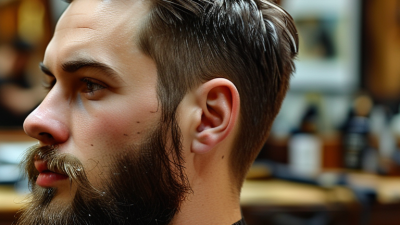
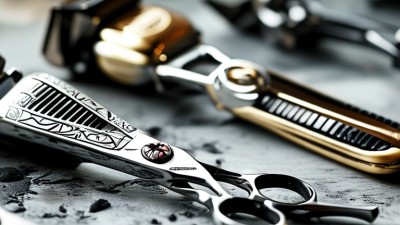
Picking out the right [hair clipper](https://www.koofex.com/hair-clipper) can feel pretty overwhelming, right? With so many brands and models out there, how do you even start figuring out what's best for you? A good haircutting tool at home is honestly a game-changer—it can save you time, a bit of money, and honestly, just make life easier. But, not all clippers are created equal, so it’s worth doing a little homework.
First things first, think about your hair type. If you’ve got thick or curly hair, you’ll probably want a clipper with a stronger motor and sharper blades. Brands like Wahl and Andis are known for that—they’ve got models that really cater to those needs. Also, consider your experience level. If you’re just starting out, an easy-to-handle clipper with adjustable guards might be your best bet. On the other hand, if you're more seasoned, you might want something more versatile, with lots of attachments to try different styles.
And don’t forget to check out user reviews—they can be super helpful. They often shine a light on the real pros and cons that maybe aren’t obvious at first glance. For example, some clippers might have batteries that don’t last very long, or grips that aren’t super comfy. Think about what matters most to you—whether it’s battery life, ease of use, or whatever else. In the end, the best hair clipper for you is the one that matches your hair type and your style goals. Finding that perfect fit just takes a little research and some honest reviews!
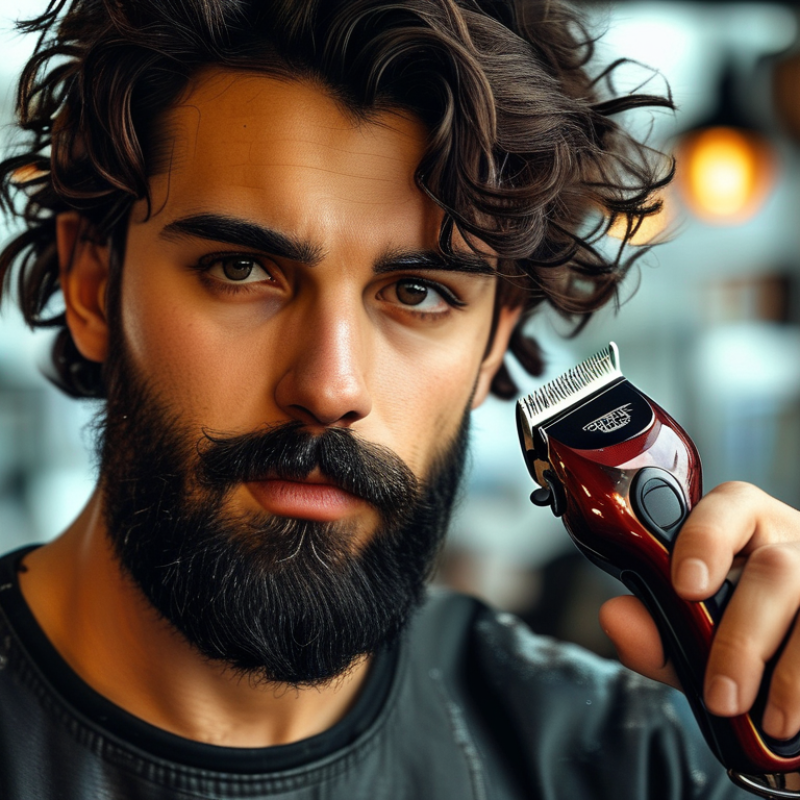
Understanding Your Hair Clipping Needs and Preferences
When choosing A Hair Clipper, understanding your specific needs is vital. Different hair types require different tools. According to industry reports, about 70% of users prefer corded clippers for consistent power. If you have thick or curly hair, you might need a clipper with a stronger motor. Professional-grade clippers often feature higher RPM ratings, which can cut through dense hair more effectively.
Preferences can vary greatly among users. Some prefer adjustable blades for versatility, while others favor fixed-length guards for ease of use. A survey revealed that over 60% of users appreciate ergonomic designs. Comfort matters, especially during longer grooming sessions. Noise level is also a concern; quieter clippers can reduce anxiety for both the user and those getting their hair cut.
When selecting, consider your grooming routine. If you're a frequent user, investing in a high-quality clipper is wise. User reviews frequently mention that durability is crucial. Many clipper buyers regret not prioritizing build quality. Examine the materials and warranty options available to ensure long-term reliability. The process may seem daunting, but knowing your hair clipping needs will guide you to make a more informed decision.
Exploring Different Types of Hair Clippers Available
When exploring different types of hair clippers, it's vital to consider your specific needs. Many clippers come in various styles. Some are wired, while others are cordless. Wired clippers offer consistent power. However, cordless options provide flexibility and ease of use. Think about where you plan to use them. If you travel often, a cordless clipper may be more suitable. Otherwise, wired clippers can be reliable for regular home use.
Another crucial factor is the blade quality. Steel blades tend to last longer and provide a cleaner cut. Some clippers feature adjustable blades, allowing for various hair lengths. This flexibility can be key for achieving your desired look. A good Hair Clipper Set should include multiple guards. This ensures you can experiment with different lengths without additional purchases. Be mindful, though; not all clippers handle thick or curly hair well.
Noise levels can also vary. Some clippers operate quietly, while others can be quite loud. Consider your comfort with noise. You may want something quieter if trimming children’s hair. Reading reviews or seeking advice can help. Clipper maintenance is another often overlooked aspect. Regular cleaning is essential for longevity and performance. Reflect on the types that would best suit your routine and connect with other users' experiences.
Key Features to Look for in Quality Hair Clippers
When selecting a quality hair clipper, several key features become essential. First, the blade material greatly impacts performance. Stainless steel blades are durable and maintain sharpness. Ceramic blades remain cooler and are less likely to cause irritation. Reports indicate that 58% of users prefer stainless steel for its longevity.
Motor power is another critical aspect to consider. Clippers with higher RPM (revolutions per minute) deliver a smoother cut, especially through thick hair. Research shows that clippers with motors exceeding 6000 RPM reduce snagging and improve cutting efficiency. It's also important to assess the clipper's noise level—louder clippers can signify a powerful motor but may cause discomfort during use.
Weight and ergonomics play a vital role in user experience as well. Lighter clippers help prevent hand fatigue during prolonged use. A well-designed grip enables better control. Data suggests that 72% of barbers prioritize ergonomics to enhance their work efficiency. Despite technological advancements, there's always room for improvement in comfort and design. Selecting the right clipper involves careful consideration of these features to truly meet your needs.
Comparing Corded vs Cordless Hair Clippers
When selecting a hair clipper, understanding the key differences between corded and cordless options is essential. Corded hair clippers often provide consistent power without the worry of battery issues. These clippers are perfect for prolonged use and offer a higher torque, which is ideal for thick hair. Industry data suggests that corded clippers account for about 60% of professional-grade tools. However, the restriction of cords can be limiting in terms of maneuverability.
On the other hand, cordless hair clippers offer flexibility and convenience. Their rechargeable batteries typically last between 60 to 90 minutes, allowing for easier handling during cuts. Many users appreciate the freedom to move around without being tethered to an outlet. Reports indicate that the demand for cordless options has been increasing, contributing to nearly 40% of sales in recent years. Yet, some cordless models may struggle with power on thicker hair, highlighting a potential drawback.
Tips: When choosing, consider your cutting frequency. If you cut hair often, a corded clipper may suit better. For occasional trims, go cordless for convenience. Always check battery life specifications. You want a reliable tool that won't quit mid-haircut. Evaluate customer reviews to understand real-world performance and reliability.
Assessing Motor Power and Noise Levels of Clippers
When choosing a hair clipper, motor power is crucial. A powerful motor delivers consistent results. A weak motor may struggle with thick hair. This can lead to uneven cuts and frustration. You want a clipper that works efficiently, especially if you cut hair regularly.
Noise levels also play a significant role. Some clippers can be surprisingly loud. This noise can be uncomfortable, especially during longer grooming sessions. Look for models designed with noise reduction features. A quieter Lcd Hair Clipper can enhance your overall experience.
Remember to consider your personal needs. What works for one may not suit another. Test different models if possible. Pay attention to how they feel in your hand. A comfortable grip can make a big difference. Choosing the right clipper involves careful thought and awareness of these factors.
Evaluating Blade Types and Materials for Desired Results
Choosing the right hair clipper involves evaluating blade types and materials to achieve the desired grooming results. Blades can be made from stainless steel, carbon steel, or ceramic. Each material offers different advantages and drawbacks, which can significantly influence performance.
Stainless steel blades are commonly favored for their durability and rust-resistance. They remain sharp longer, reducing the frequency of maintenance. However, they can sometimes cause irritation on sensitive skin. Carbon steel blades provide a sharper edge but require more upkeep to prevent rust. Ceramic blades, while offering a smooth cut, can be more fragile and higher priced.
Tip: Always consider blade width. Wider blades cover more area, leading to faster cuts. Narrow blades are excellent for detailing.
Material choice also affects heat retention during use. Steel blades can heat up quickly, causing discomfort with prolonged use. Ceramic blades run cooler, making them ideal for longer grooming sessions.
Tip: Regularly check for wear or damage. Dull blades can tug hair, leading to uneven cuts. Replace them promptly to maintain optimal performance.
Ultimately, understanding these nuances can lead to a more satisfying grooming experience. Each material and design has its merits, and it's vital to weigh them against personal needs and preferences.
Budgeting for Your Hair Clipper Purchase: What to Consider
When budgeting for your hair clipper purchase, start by determining your needs. Consider how often you plan to use a Hair Clipper Kit. Daily or weekly users may invest more in quality. Occasional users can opt for more affordable options. Look for sales or discounts to maximize your budget.
Next, assess the features that matter to you. Battery life, blade quality, and accessories impact the overall value. A clipper with good battery life means less interruption during use. Stainless steel blades offer durability and ease of maintenance. A clipper kit with additional attachments provides versatility for different styles.
Don’t overlook customer reviews and expert opinions. Research helps identify reliable options that fit your budget. Reference guides or online forums may offer insights. Remember, it’s essential to find a balance between price and performance. Prioritize features that enhance your grooming experience while staying within your financial limits. This careful planning leads to more satisfactory results.
How to Choose the Best Hair Clipper for Your Needs? - Budgeting for Your Hair Clipper Purchase: What to Consider
| Feature |
Description |
Price Range (USD) |
| Motor Power |
Higher wattage for efficient cutting |
$30 - $150 |
| Blade Type |
Stainless steel for durability; ceramic for sharpness |
$25 - $100 |
| Corded vs. Cordless |
Cordless for portability; corded for consistent power |
$40 - $200 |
| Adjustable Clipper Length |
Multiple guard sizes for versatility |
$20 - $80 |
| Maintenance |
Low maintenance vs. frequent oiling |
$10 - $30 (for oil and cleaning) |
| Warranty |
Longer warranty for better investment |
Usually included in the purchase price |
FAQS
: Corded clippers provide consistent power, while cordless clippers offer flexibility and ease of movement.
Most rechargeable batteries last between 60 to 90 minutes, depending on the model.
Corded clippers are generally better due to their higher torque.
Many prefer cordless clippers for convenience and the freedom to move without a cord.
Assess your cutting frequency and check battery life and motor power.
Powerful motors ensure consistent cuts, while weak motors can cause uneven results.
Yes, some clippers can be loud. Look for models with noise reduction features for a better experience.
Yes, a comfortable grip is essential for longer grooming sessions and can affect overall performance.
Yes, reviews can provide insights into real-world performance and reliability.
If possible, testing different clippers can help you find a model that feels right for you.
Conclusion
Choosing the best hair clipper involves understanding your individual hair clipping needs and preferences. Different types of hair clippers are available, each suited for specific styles and techniques. When selecting a hair clipper, it's crucial to consider key features such as motor power, noise levels, and the materials used for the blades. This ensures not only effective performance but also comfort during use.
Additionally, deciding between corded and cordless options can impact convenience and maneuverability. Assessing your budget is also essential, as it allows you to find a quality hair clipper that meets your requirements without overspending. By carefully evaluating these factors, you can make an informed choice and enjoy optimal results in your hair grooming routine.