




What Is JDM Manufacturing? A Practical Guide to JDM Hair Clipper Development
For professional hair clipper brands, JDM can be useful when an existing ODM product is not enough, but the brand does not want to build an entire engineering and manufacturing infrastructure internally.
Instead of simply selecting an existing clipper and changing its logo or color, the brand and manufacturer work together on areas such as motor performance, blade systems, battery configuration, electronics, housing, ergonomics, testing, and manufacturing feasibility.
The exact meaning of JDM can vary between industries and manufacturers. Some companies use JDM to mean Joint Development Manufacturing, while others use Joint Design Manufacturing. The common principle is early and substantial collaboration between the product owner and the manufacturing partner. Sanmina, for example, describes JDM engagements in which customers provide market knowledge and product requirements while the manufacturer contributes design engineering and new product introduction services.
JDM vs. OEM vs. ODM: What Is the Difference?
| Model | Development Approach | Typical Example | Main Role |
| OEM | Customer-led specification or design | Brand provides drawings/specifications and manufacturer produces the clipper | Manufacturing |
| ODM | Manufacturer-led product development | Brand selects an existing clipper and customizes branding, color, packaging or selected specifications | Product platform + customization |
| JDM | Brand + manufacturer jointly develop the product | Both sides define the product, engineering requirements, prototype, test and prepare it for production | Joint development + manufacturing |
OEM
In a conventional OEM project, the brand may already have a detailed product design or technical specification. The manufacturer's primary responsibility is to manufacture the product according to the agreed requirements.
ODM
In ODM, the manufacturer usually has an existing product, design or technical platform. A brand can customize elements such as logo, color, packaging, accessories and selected specifications. ODM can be an efficient option when the priority is faster market entry and lower development investment.
JDM
JDM involves the manufacturer earlier in the product development process. The brand may bring market research, target customers, product positioning, product requirements, target price range and competitive advantages. The manufacturer contributes engineering knowledge, product development experience, component selection, prototyping, manufacturing expertise, supply-chain resources, testing and production capabilities. The result is a product developed through joint decision-making rather than simple customization.
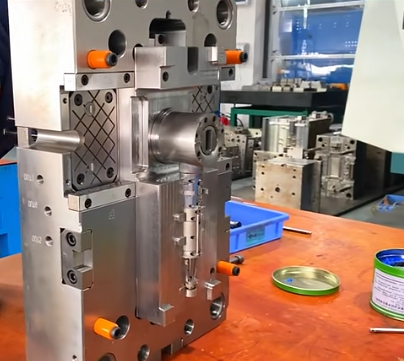
Why Is JDM Relevant to Professional Hair Clippers?
A professional hair clipper is not simply a motor combined with a blade. Its performance is influenced by multiple interconnected systems.
- Motor type and performance
- Motor speed and torque
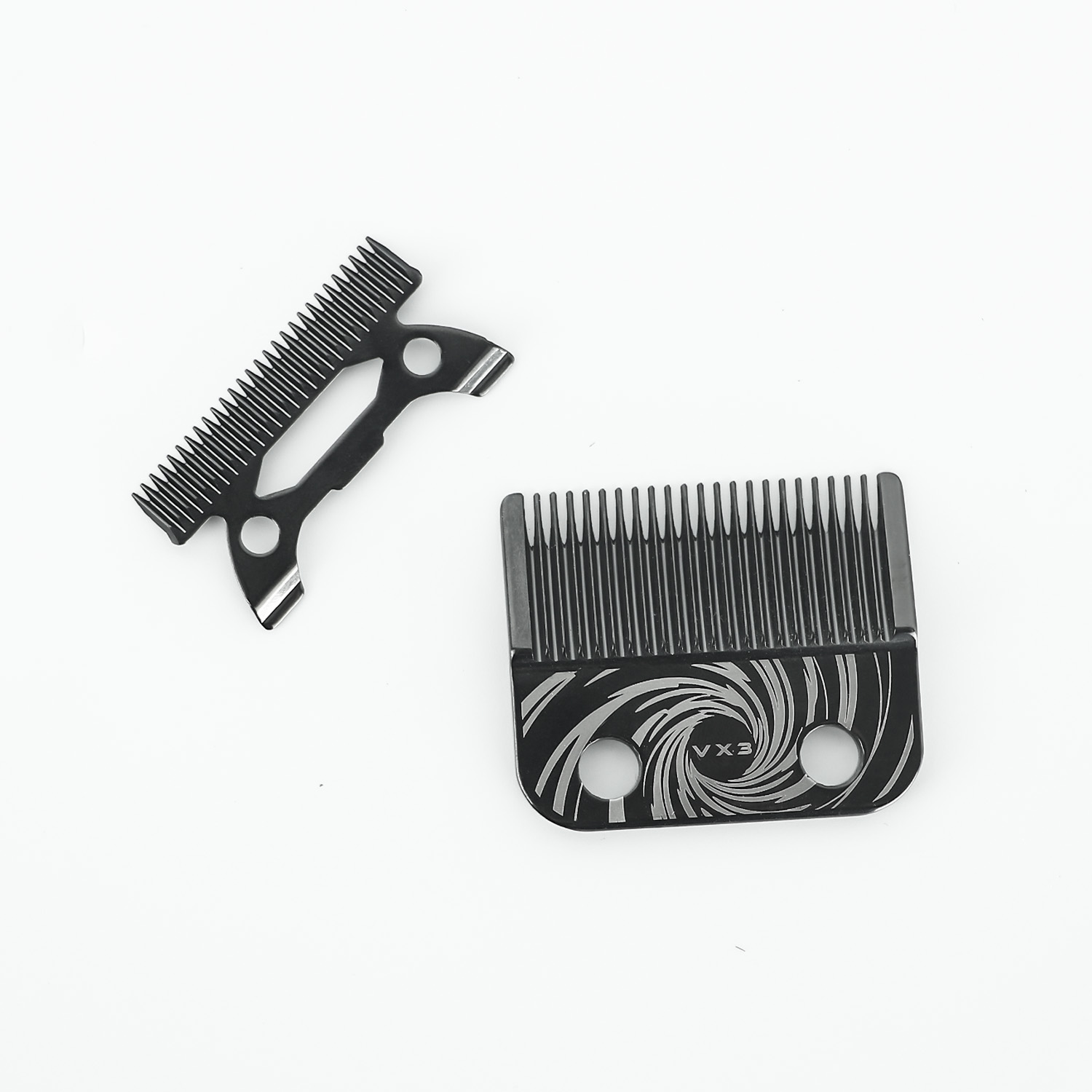
- Blade material and geometry
- Blade adjustment mechanism
- Battery capacity
- Charging system
- PCB and motor control
- Internal mechanical structure
- Heat management
- Product weight and balance
- Ergonomic design
- Display or control interface
- Accessories
- Packaging
- Manufacturing process
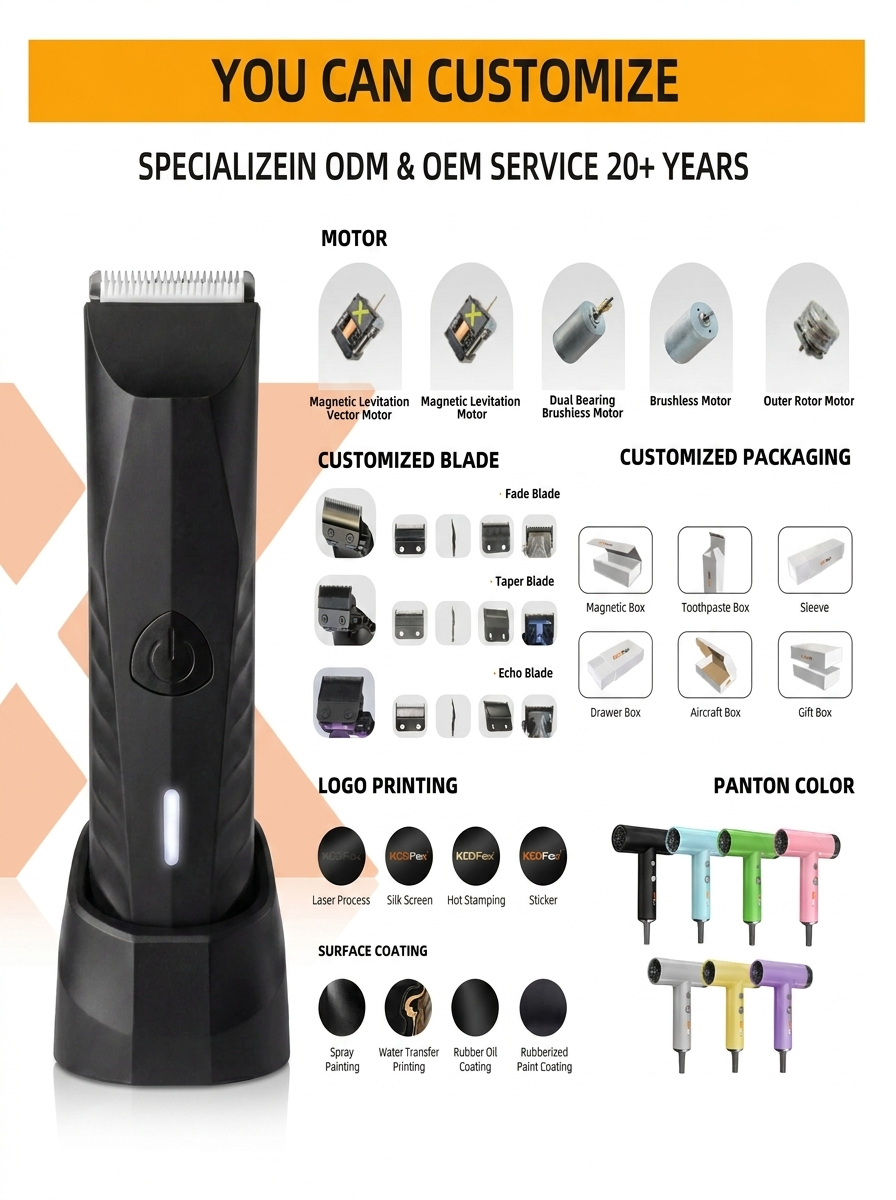
For example, a brand may want a cordless professional clipper designed for intensive barber-shop use. The initial requirement might be: High cutting performance + long runtime + controlled heat + ergonomic handling + distinctive appearance.
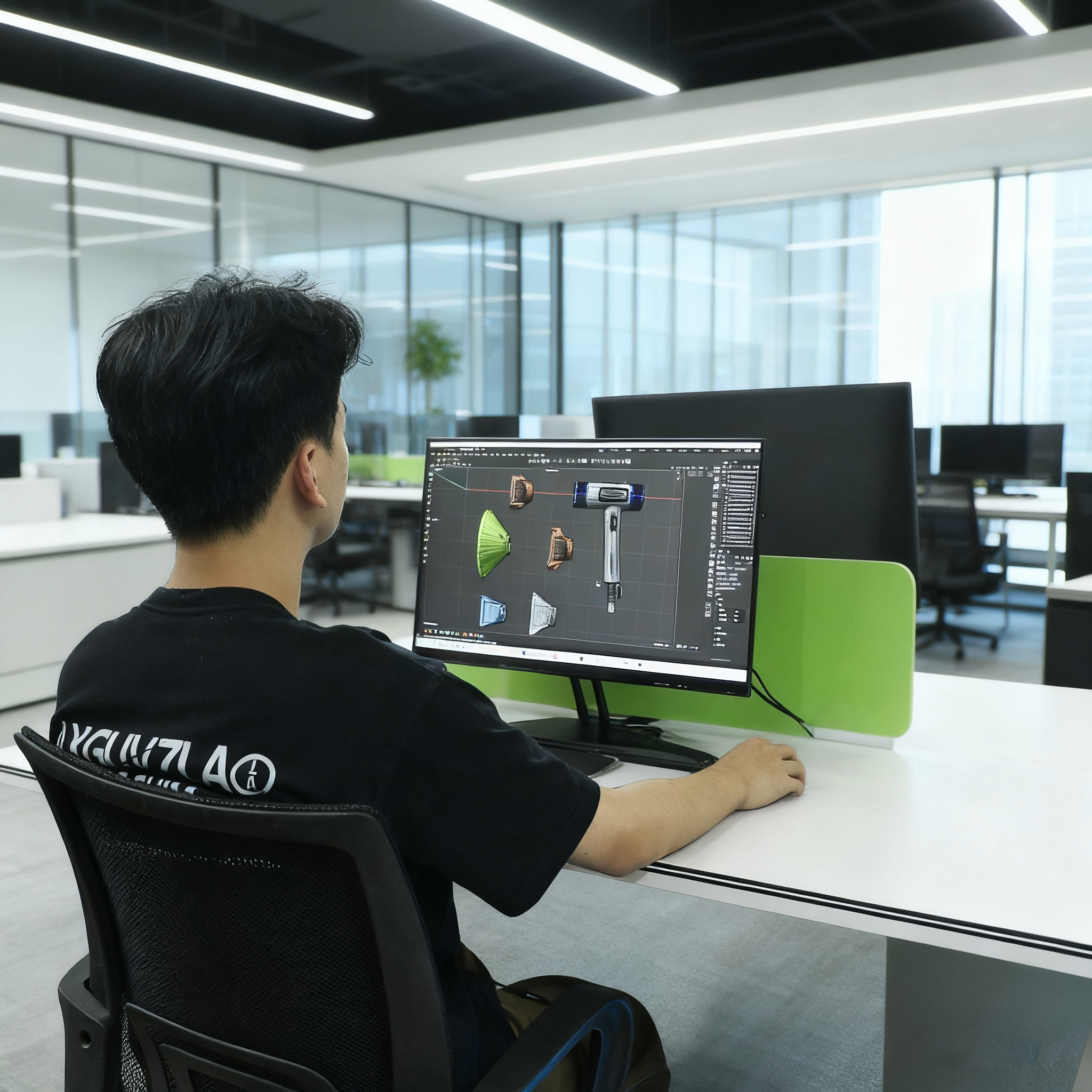
This requirement still needs to be translated into measurable engineering specifications. The development team may then need to evaluate the motor, blade system, battery, electronics and mechanical structure together. The objective is to jointly engineer a product around a specific market requirement.
How Does JDM Hair Clipper Development Work?
Brand defines target market and positioning; manufacturer evaluates technical feasibility.
Convert requirements into specs: RPM, torque, blade system, runtime, and thermal performance.
Industrial design, mechanical/electrical design, and PCB development for the technical solution.
Design for Manufacturing ensures consistent, efficient production at the intended cost.
Validation against safety and performance standards (cutting, noise, durability, safety).
A small run to verify the process before moving into full-scale mass production.
For electric hair clippers, IEC 60335-2-8:2022 is the current IEC standard specifically covering safety requirements for shavers, hair clippers and similar appliances.
What Should Be Defined Before Starting a JDM Project?
1. Product Requirements
- Motor performance, Battery capacity, Runtime, Charging, Blade material, Dimensions, Weight, Noise, Durability.
2. Development Costs
- Engineering, Prototype samples, Tooling, Testing, Certification, Pilot production.
3. Intellectual Property
Customer Background IP: Technology owned by the customer.
Manufacturer Background IP: Engineering know-how owned by the manufacturer.
Project IP: Designs created specifically during the joint project.
4. Manufacturing Responsibility
- Quality control, Component sourcing, Tooling, Production, After-sales support.
When Should a Brand Choose JDM?
- Need to launch quickly
- Want a proven platform
- Need branding customization
- Minimize upfront investment
- Have a specific product concept
- Need significant differentiation
- Require customized motor/blades
- Plan long-term product lines
KooFex and Professional Hair Clipper Development
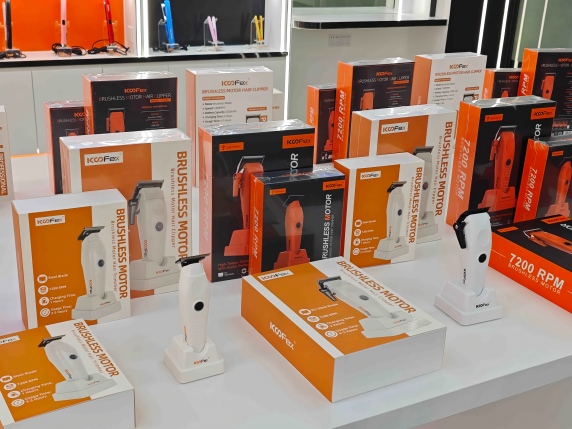
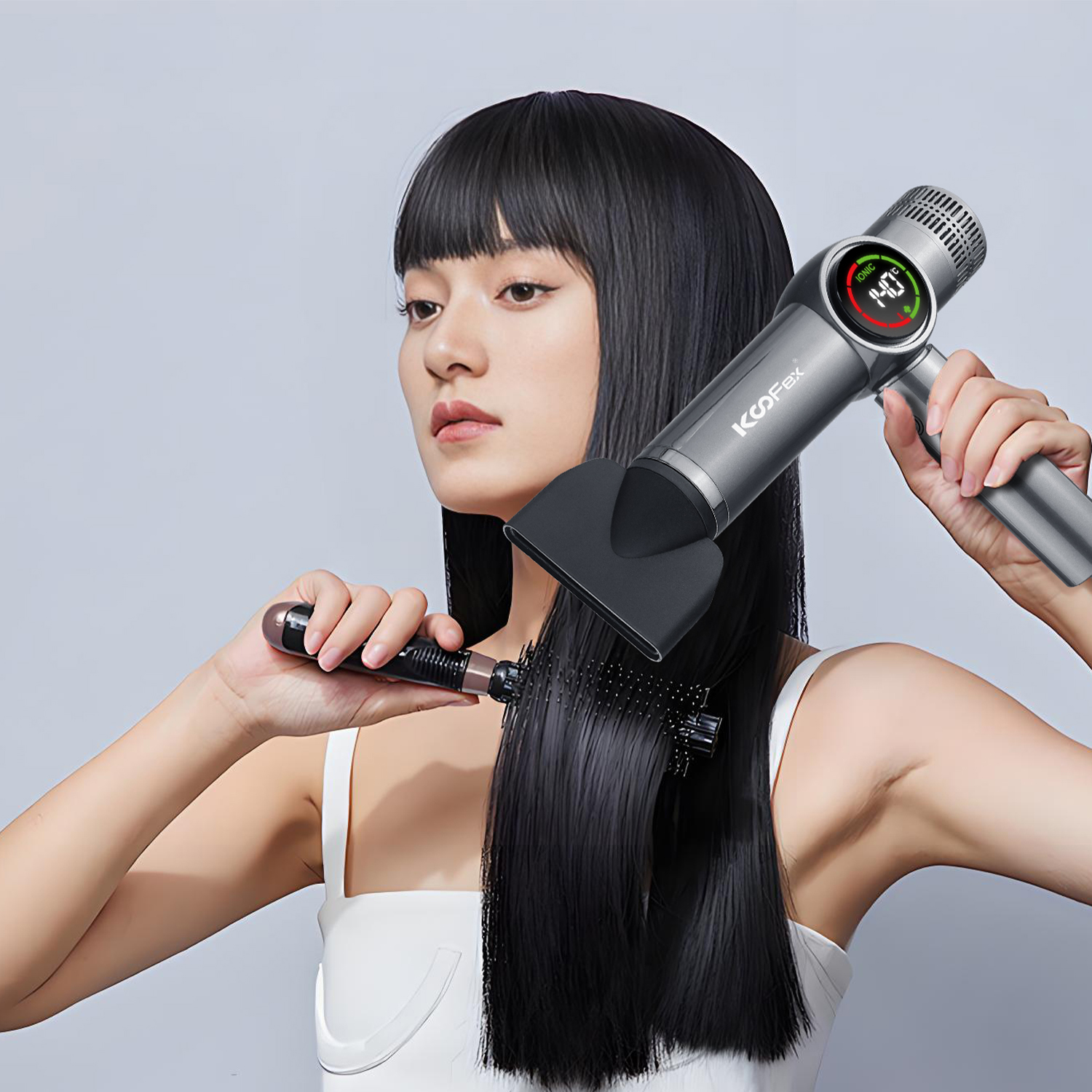
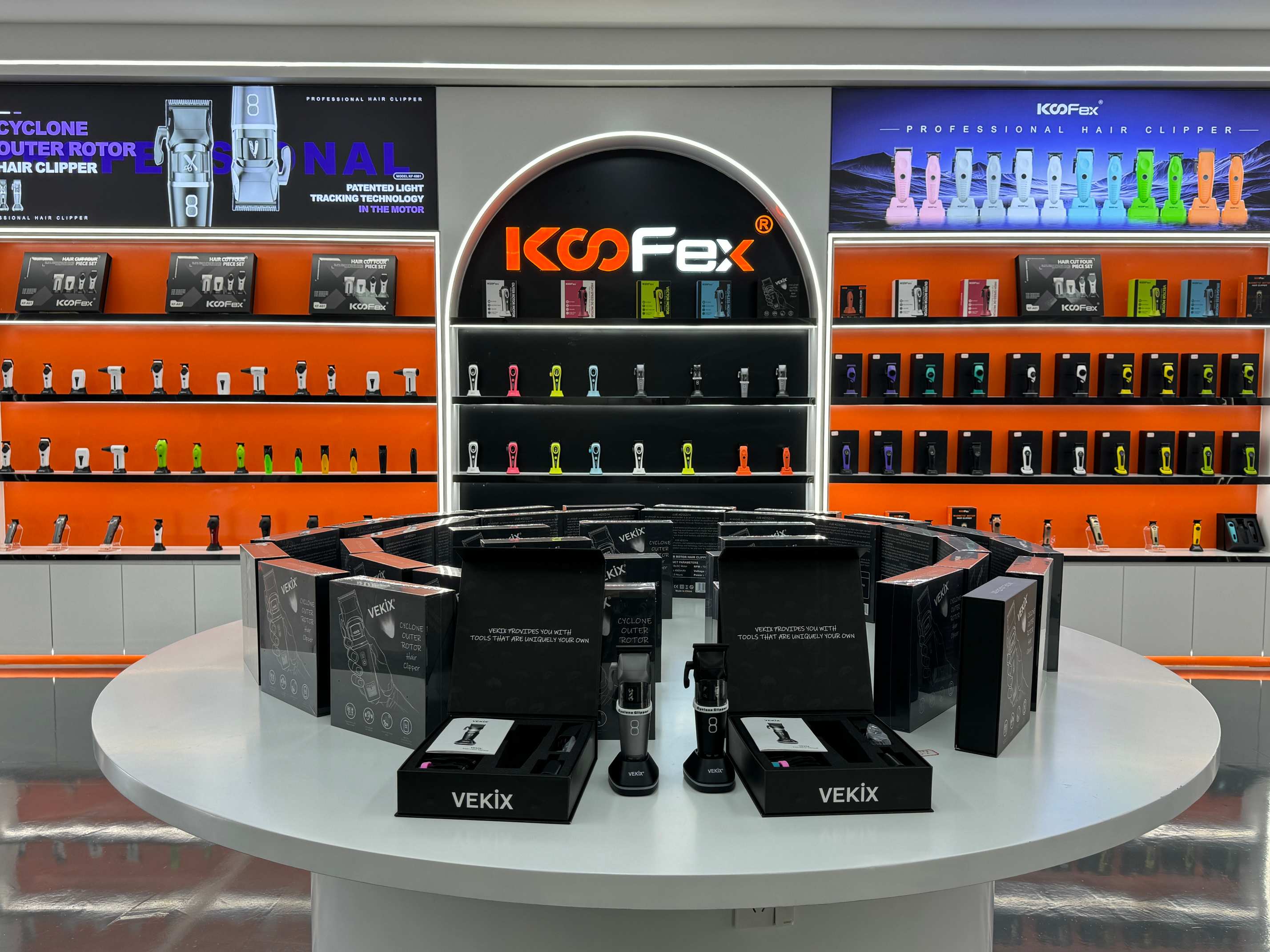
KooFex has operated in professional hairdressing tools for around 20 years and identifies its core activities as R&D, production and wholesale, with OEM/ODM services for hair clippers, hair dryers, shavers and other professional hair tools.
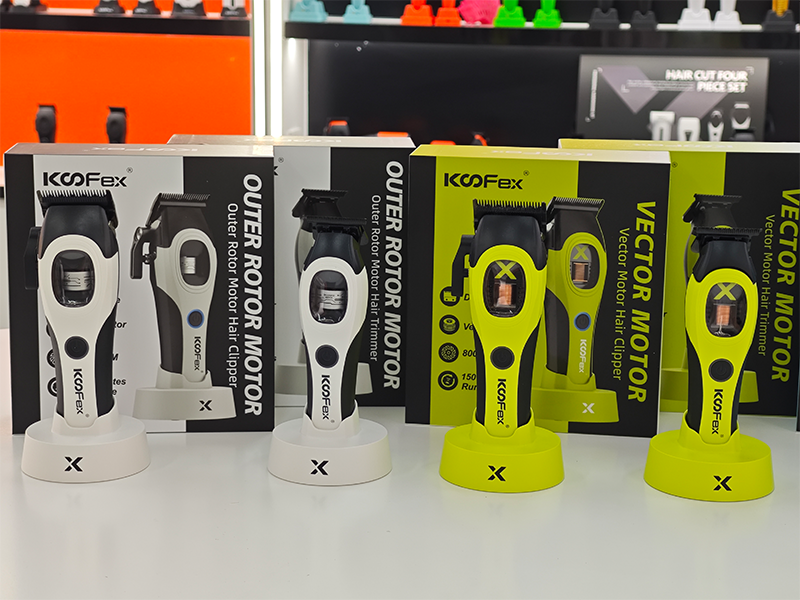
Its professional hair clipper portfolio includes different motor technologies and configurations, giving brands multiple technical platforms to evaluate during product development. For a brand exploring a "JDM-style" project, this type of experience can help connect the early product concept with practical engineering requirements.
Can the manufacturer turn a product requirement into an engineered, tested and manufacturable product?
Final Takeaway
OEM: You provide the design → the manufacturer produces it.
ODM: The manufacturer provides the product → you customize it.
JDM: You provide market requirements → the manufacturer contributes expertise → both develop together.
Frequently Asked Questions
JDM stands for Joint Development Manufacturing (or Joint Design Manufacturing), focusing on collaborative development.
ODM starts from an existing product, while JDM involves deeper collaboration in engineering the product from requirements.
IP ownership should be defined contractually, covering background IP and new project IP.
Usually yes, due to higher upfront investment in engineering, tooling, and testing.
References
- International Electrotechnical Commission (IEC) — IEC 60335-2-8:2022. View Standard
- Sanmina Corporation — JDM engagement models. View Source
- KooFex — Company profile & R&D capabilities. About KooFex
- KooFex — Professional hair tool manufacturing. Official Website